How Does The Pyramid Principle Work?
The Pyramid Principle is simple yet effective: start with the core message and only then elaborate on the details. The concept was developed in the 1970s by Barbara Minto, a communication consultant at McKinsey at the time.
Present the message first, then the explanation – according to Minto
People understand information easier when they hear the conclusion first. This immediately clarifies what central message the presenter wants to convey and enables the audience to understand the explanation.
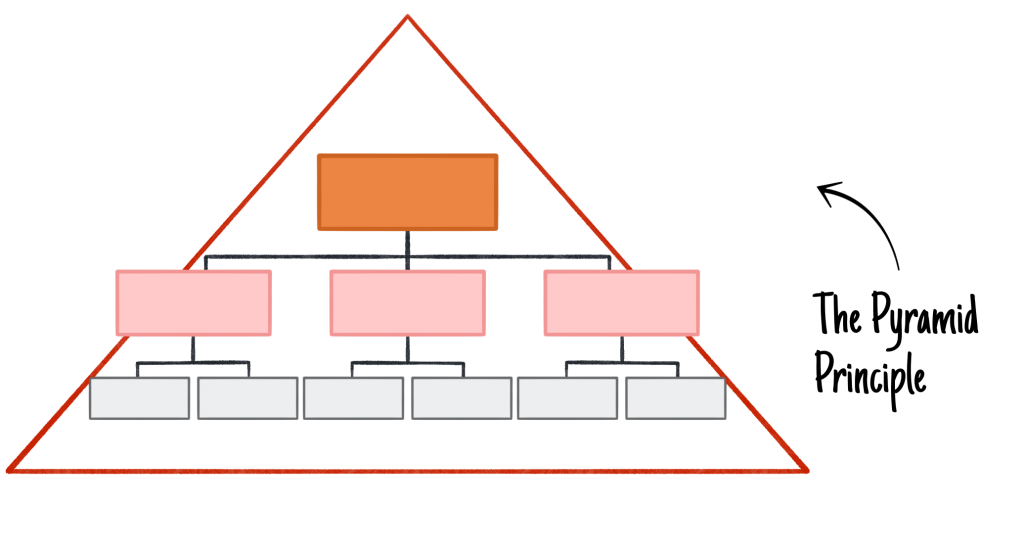
Structure your information as a question-and-answer dialogue using The Pyramid Principle
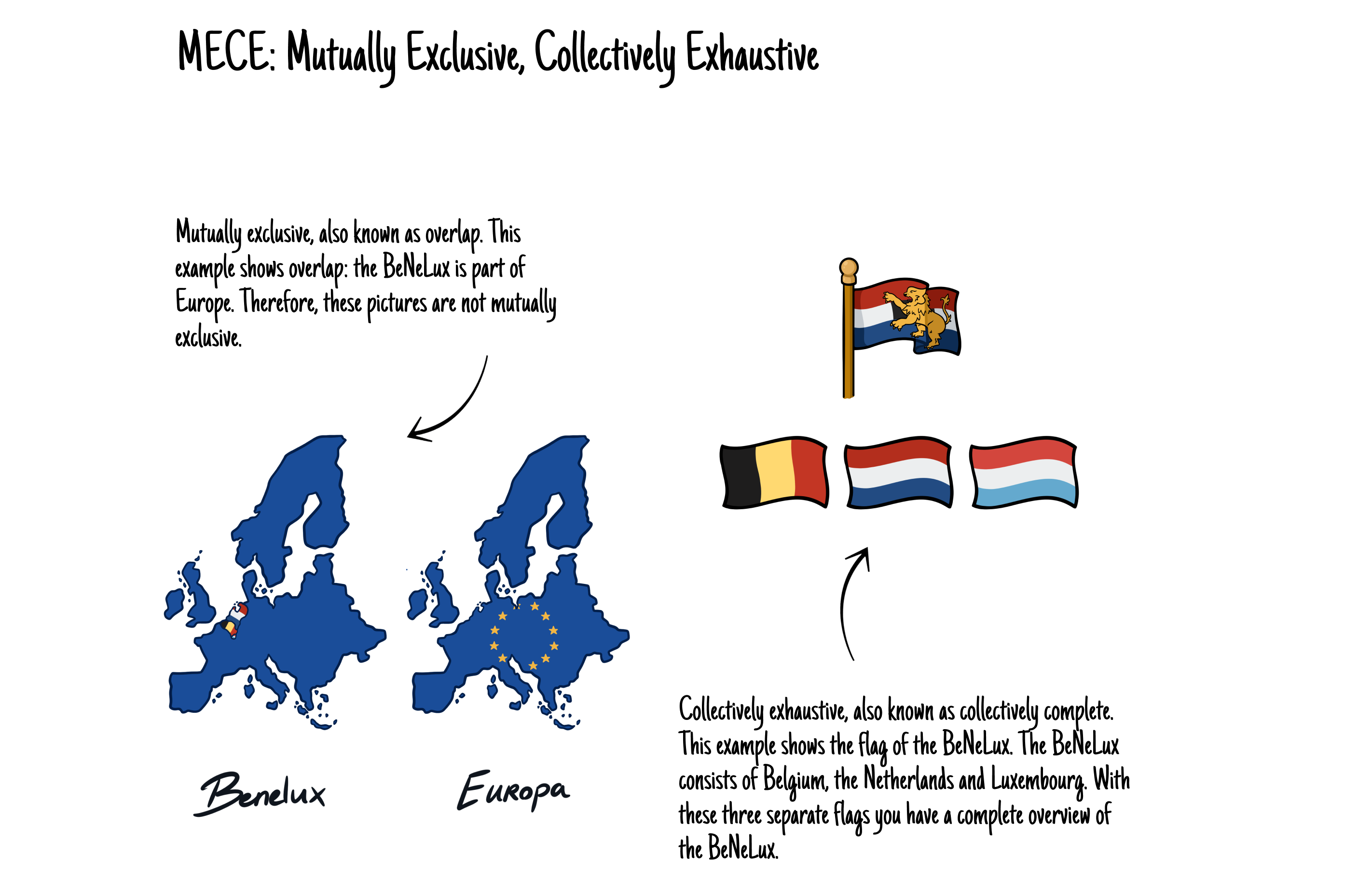
The question-answer structure helps you, as a presenter, decide which information and details are relevant to share—and when to share them in your story. At each level of the pyramid, you consider whether your audience needs more information and what that information should be. You organize your content using the MECE principle: Mutually Exclusive, Collectively Exhaustive. That means no overlap and no gaps – your story is complete.
Align your story with your audience and your goal using The Pyramid Principle
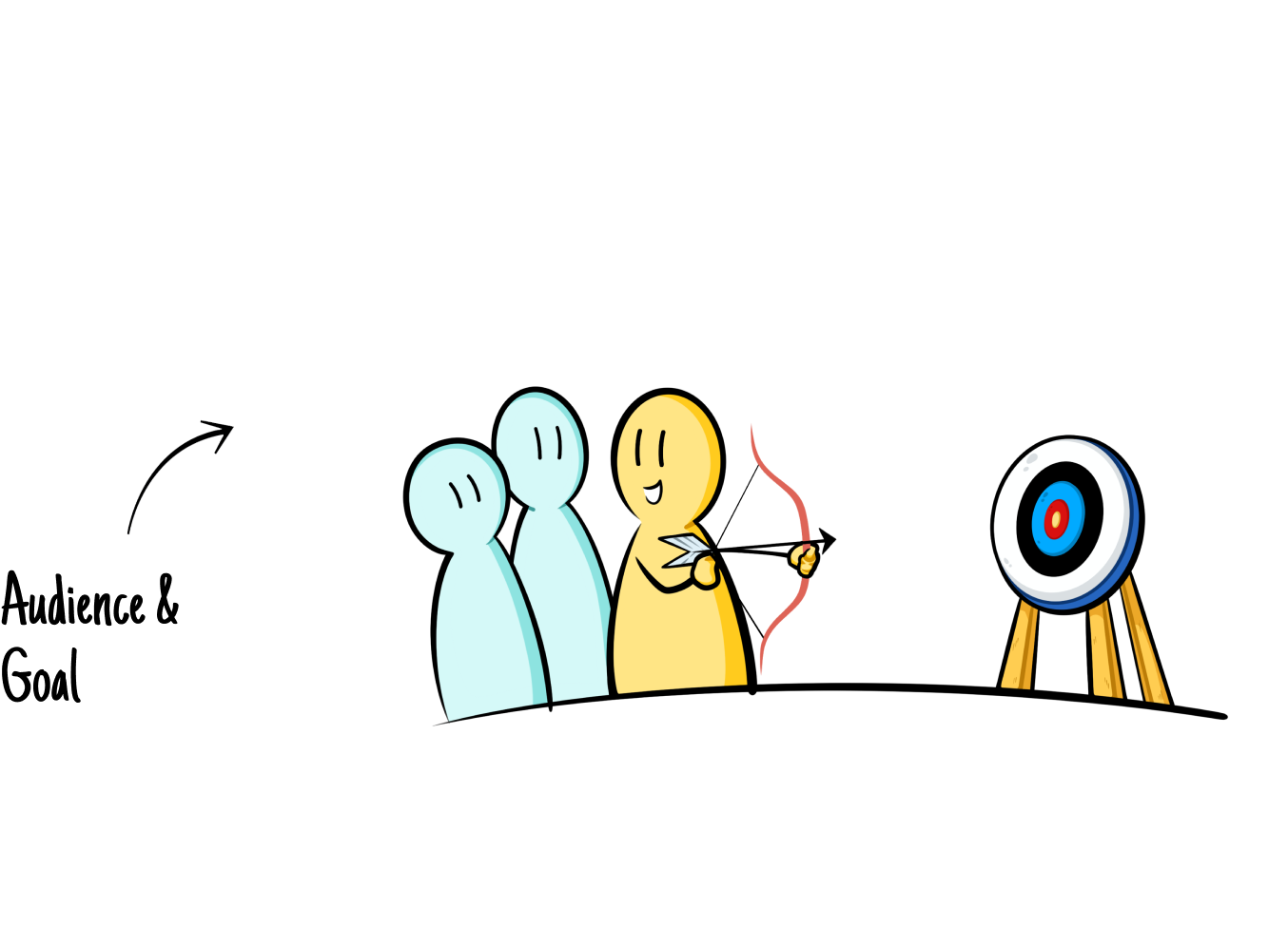
By telling your story using the Pyramid Principle, you ensure that your story aligns perfectly with your audience and leads to your desired outcome.
We always say: “Every audience deserves their own story.”
That means your story will differ when you’re seeking approval from management, informing your team about next steps,
or convincing a client to work with you.
We’ll help you analyse your audience and objective—so your story truly drives change.